Taking a Crypto Wallet Address to the Police: What Works
A wallet address on its own will not get a case opened. A wallet address inside a documented package will. This page is about the package: what to bring, how to present it, and the two mistakes that get crypto reports filed and forgotten.
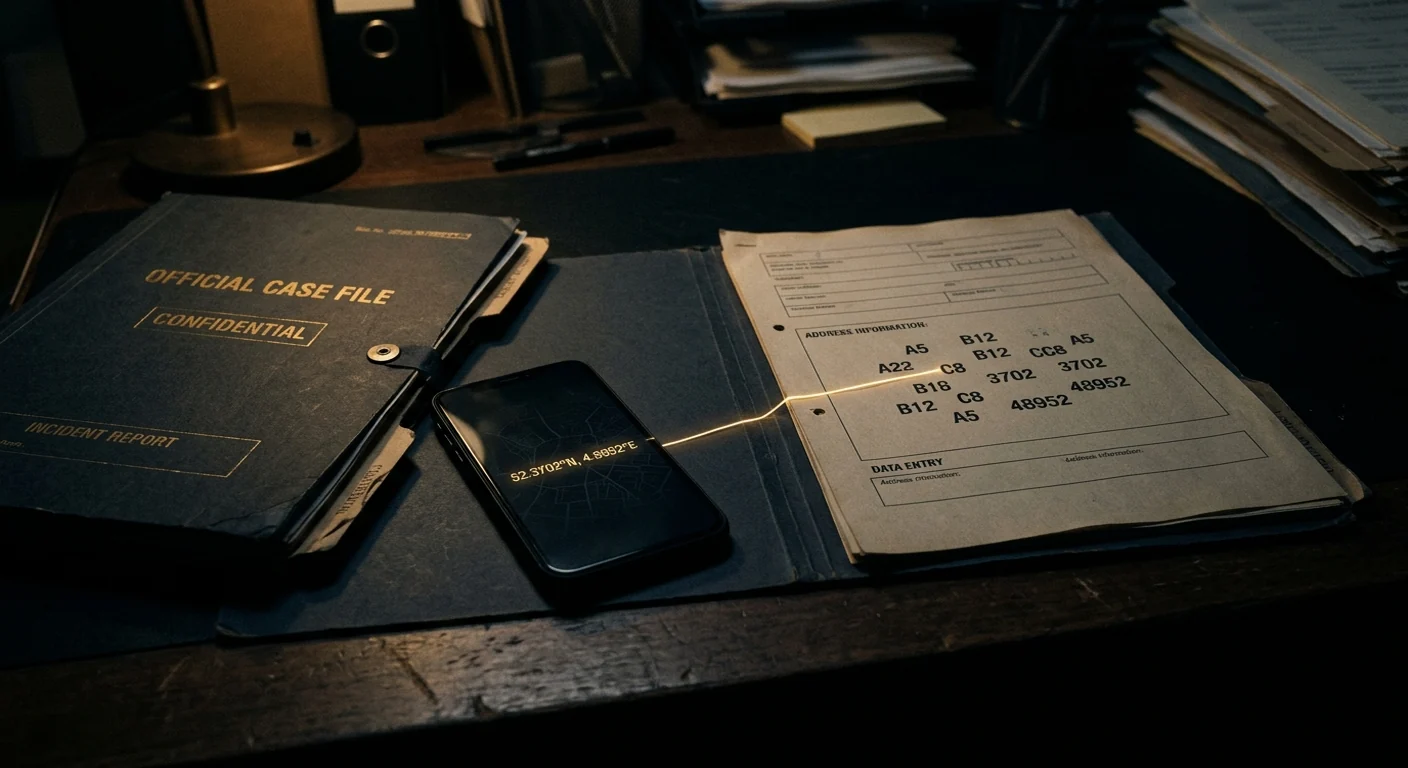
Police act on documents, not on addresses. The address is one line in a file. The file is what gets a report number. Once you have the platform, the next step is a report it will act on, and the exchange that received your funds covers how to present the address to police.
The Short Version
- Bring a written timeline, the transaction hashes, the message where the address was given, and your own account records.
- Lead with the loss and the payment method, not with blockchain terminology. Officers triage by amount and by whether a route exists.
- Ask for a report number. Without one, no exchange, bank, or court will act on your evidence.
- Expect the report to be for the record rather than for recovery. That is normal and it is still worth doing.
- File with IC3 or your national equivalent as well. The two records support each other.
What Police Can Actually Do
Being clear about this at the start saves a lot of disappointment later.
| Action | Realistic? | What it depends on |
|---|---|---|
| Take a report and give you a number | Yes, always | You bringing a coherent account |
| Request records from an exchange | Sometimes | Amount, jurisdiction, and whether the case is assigned |
| Freeze funds at a custodian | Sometimes, if fast | Funds still at an exchange and the exchange cooperating |
| Trace through a mixer | Rarely, at local level | Specialist units, usually national |
| Prosecute an overseas operator | Very rarely | International cooperation and priority |
| Return your money | Uncommon | Seized assets and a restitution order |
None of that means don't report. It means report for the right reason: to create the official record that every other route depends on.
The Evidence Package
Bring this as a single printed or PDF document. An officer who can read a coherent file in five minutes is far more likely to open a case than one handed a phone with a chat app on it.
- A one-page summary. What happened, when it started, how much was lost, in what currency, and what you have already done. One page. Not five.
- A timeline. Date, time in UTC, event. First contact, first payment, each subsequent payment, the moment you realised.
- The transaction table. For each payment: date, amount, asset, network, sending address, receiving address, transaction hash, explorer URL.
- The message where the address was given. Screenshot with timestamp and platform visible. This is the link between a person and a wallet, and it is the most important single item.
- The counterparty profile. Username, display name, account ID, platform, profile photo.
- Your own records. Exchange withdrawal confirmations, bank statements, card statements.
- Where the funds went. The trace result: the next addresses, and any exchange deposit address you identified.
- What you have already reported. Bank dispute reference, platform report, IC3 confirmation number.
Eight items. Most people bring one, which is the chat log, and it is the least useful on its own.
How to Say It
The two mistakes that get crypto reports dismissed are leading with blockchain jargon, and leading with the emotional story. Both make an officer's job harder.
Lead with the loss and the route. "On 14 October I transferred 4,200 USDT to an address given to me by someone who claimed to run an investment platform. The platform does not exist. I have the transaction record and the message where the address was provided." That is a sentence an officer can act on.
Then the amount. Amounts determine priority. State the total in your local currency as well as in crypto, with the exchange rate and date you used.
Then the route. "The funds moved to this address, then to this one, which appears to be a deposit address at [exchange]." That tells the officer there is a custodian to write to, which is the difference between a case with a next step and a case without one.
What to Ask For
Be specific about the three things you need, because a general request gets a general response.
- A report number. Ask for it explicitly. Without one, an exchange's compliance team has nothing to attach your email to.
- A request to the receiving exchange. Ask whether they will send a preservation or records request to the exchange holding the deposit address. Some will, some will not, and asking costs nothing.
- Written confirmation of the report. A PDF or a reference you can attach to your bank dispute and your exchange report.
If the officer says the case cannot be investigated, ask for the report anyway. The record is the deliverable, and it is the one thing that is always available.
The Reports That Run in Parallel
Police are one of several routes, and they are not the fastest. Run these at the same time.
| Route | What it does | Speed |
|---|---|---|
| Bank or card issuer | Statutory dispute, the only route with a real refund mechanism | Days to weeks |
| Receiving exchange compliance | Possible freeze of funds still on the platform | Hours to days |
| IC3 / national fraud portal | Official record, pattern analysis, feeds investigations | Immediate to file |
| Local police | Report number, possible records request | Days |
| Consumer protection agency | Regulatory pressure on a platform or broker | Weeks |
The bank route is first because it has a clock. The exchange route is second because it has a window measured in hours. Police and IC3 are for the record, and the record is what makes everything else possible later.
After You File
Three things to do once the report exists.
Send the report number everywhere. To the exchange, to your bank, to the platform. A report number changes how an email is triaged.
Keep the file updated. If new transactions appear, or the scammer contacts you again, add them with dates. A living file is more useful than a snapshot.
Do not pay anyone to follow up. You will be contacted by people claiming to have found your funds or to be able to expedite the case. They cannot. The report is free and it is the only thing that matters.
And keep the expectation honest: the report is for the record. If a recovery happens, it will be because a custodian froze funds or a court ordered restitution, not because a report was filed. Filing is the precondition, not the mechanism.
Which Police, and Why It Matters
"Report it to the police" is incomplete advice, because which police you report to changes what happens next.
| Where you report | What it is good for | Limitation |
|---|---|---|
| Local police where you live | A report number banks and exchanges recognise; a local record | Often lacks crypto capability; may not investigate |
| National fraud reporting (IC3, Action Fraud, etc.) | Pattern analysis, federal or national record, feeds specialist units | Does not act on individual cases directly |
| Financial regulator or consumer agency | Pressure on a regulated platform or broker | No jurisdiction over anonymous individuals |
| Police where the receiving exchange is based | Sometimes the only authority that can compel records | Hard to access as a foreign victim |
In practice, most victims should file in two places: local police for the report number, and the national fraud portal for the record. The other two are situational.
If the amount is large, say so explicitly and in local currency. Triage is by value, and a report that buries the amount in paragraph six will be triaged as small.
Four Things That Get a Report Deprioritised
Officers are not hostile to crypto cases. They are overloaded, and certain framings make a case look like it has no route. Avoid these.
- "It's untraceable." It is not, and saying so tells the officer there is nothing to investigate. Say instead: "the funds moved to this address, then to this one, which appears to be an exchange deposit address."
- "I need you to trace the blockchain." That is a request for a service, not a report of a crime. Bring your own trace and ask for a report number.
- No amount stated. A report without a figure cannot be triaged. Put the total in the first paragraph.
- Only a chat log. A chat log with no transaction hashes, no dates and no amounts is not evidence of a financial crime. It is evidence of a conversation.
The reframe that works is simple: you are not asking the police to do blockchain analysis. You are handing them a documented financial loss with a route to a custodian, and asking for a report number so that the custodian can be approached.
Questions people ask
Will police investigate a crypto scam?
It depends on the amount, the jurisdiction, and whether there is a route to a custodian. Many reports are taken for the record without an investigation. Filing is still worth doing, because the report number is what every other route requires.
What evidence do police need for a crypto fraud report?
A written timeline, the transaction hashes with explorer links, the message where the address was provided, the counterparty's profile details, and your own bank or exchange records. A one-page summary on top makes it far more likely to be read properly.
Can police trace a wallet address?
Some units can, and national agencies have specialist capability. Local police often cannot and will rely on the trace you provide. Bringing your own trace result is therefore useful rather than presumptuous.
Should I report to IC3 or the police first?
Both, and quickly. IC3 is fast to file and creates a federal record. Local police give you a report number that exchanges and banks recognise. They serve different purposes and neither replaces the other.
What if the police say they cannot help?
Ask for a report number anyway, and ask whether they will send a records request to the receiving exchange. Then continue with the bank dispute and the exchange report, which do not depend on police action.
Do I need a lawyer to file a crypto fraud report?
No. A police report is free and does not require legal representation. A lawyer becomes relevant if you later pursue a civil claim or need to compel a third party to produce records.
What if the amount is small?
File anyway, especially with the national fraud portal. Small losses aggregate into patterns, and patterns are what trigger investigations. Your individual report may not be investigated, but it contributes to the data that decides where resources go.
Check the address before you send anything
A free scan reads public chain data in your browser: balance, activity, counterparties and flags. No wallet connection, no seed phrase, no signup.
Primary sources and further reading
- FBI Internet Crime Complaint Center — federal reporting and annual internet crime reporting
- FTC ReportFraud — consumer fraud reporting
- CFPB complaint portal — escalation for bank and card issuer refusals
- OFAC sanctions list search — sanctions screening for addresses
Related guides
Information only. We never promise recovery.