Scammed by Someone in Another Country: What Works
A scammer in another country does not make recovery impossible, but it changes which tools work. Your bank and the receiving bank are still the only parties who can move money back, and they operate under rules that do not care where the scammer is. Start there, not with the foreign police. Cross-border cases follow a different route, and reporting an online scam in the UAE explains what changes when the suspect is outside your jurisdiction.
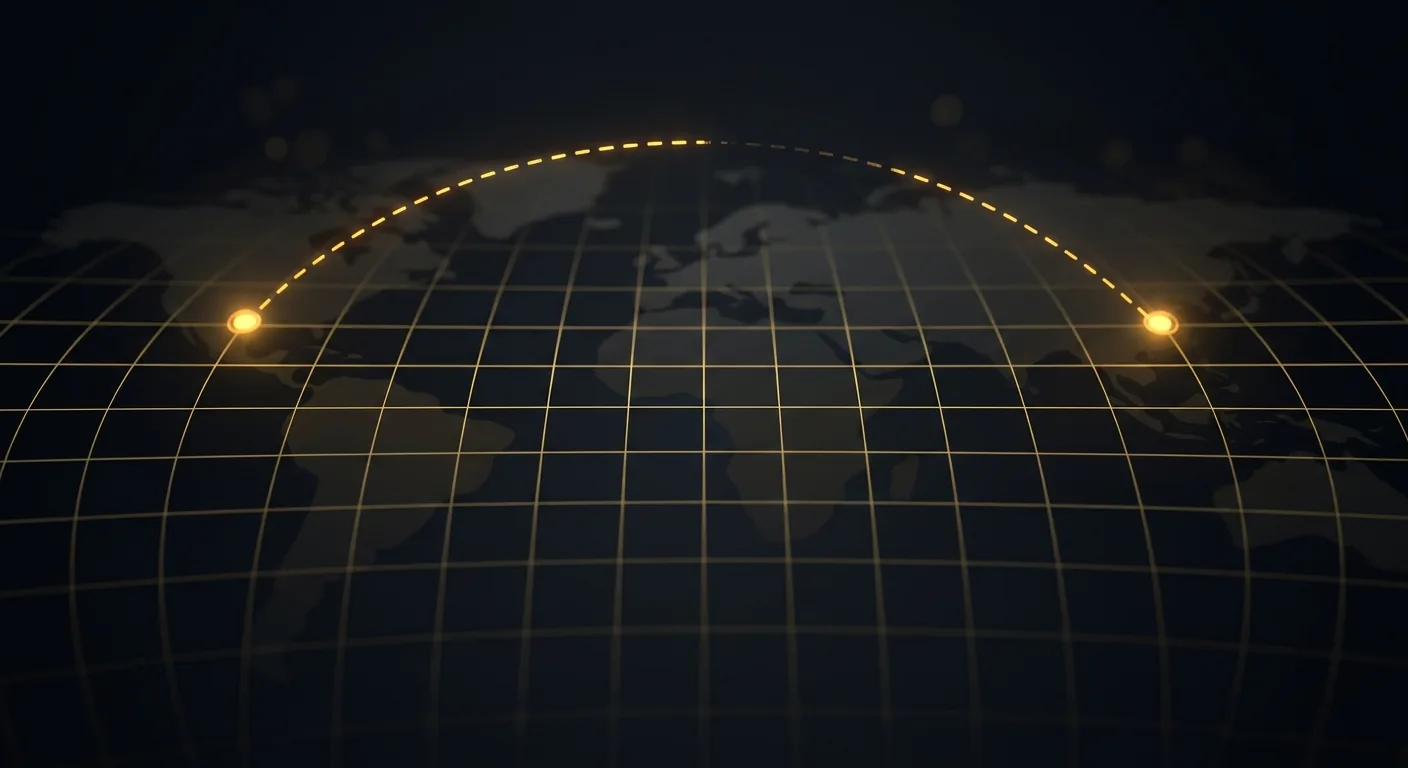
Scammed by Someone in Another Country. The Money Is Domestic Even When the Scammer Is Not
The Short Version: Scammed by Someone in Another Country
- The scammer's location matters far less than where the money landed. Your bank and the receiving bank are the only parties who can reverse a payment.
- A foreign police report is rarely actionable for you, but a domestic report number is what your bank and the CFPB will ask for.
- Cross-border mutual legal assistance is slow, formal, and almost never used for individual consumer losses.
- The realistic outcomes are a recall while funds are still in the receiving account, a chargeback on a card, or nothing.
- Beware anyone who says they can pursue the scammer abroad for a fee. That is the second scam, and it targets this exact situation.
The short answer: follow the money, not the person
The instinct after discovering an overseas scammer is to find them. That instinct is understandable and almost always the wrong first move, because the person is the one part of the operation you cannot reach and the money is the part you sometimes can.
Payments do not travel directly from your account to a scammer's pocket. They travel through banks, and those banks are subject to rules, to regulators, and to each other. A payment that has landed in a receiving account at a named institution is a domestic problem for that institution, regardless of who opened the account or where they are sitting. That is the leverage you actually have.
What actually works across a border
Four mechanisms exist. Only the first two have ever returned money to an individual consumer in a normal case, and the second only on card payments.
| Mechanism | What it does | Realistic outcome | Who initiates |
|---|---|---|---|
| Recall request between banks | Your bank asks the receiving bank to return the funds, citing fraud. | Works if the balance is still there and the receiving bank cooperates. Fails once withdrawn. | Your bank, on your request |
| Card chargeback | Reverses a card payment through the card network's dispute rules. | The strongest consumer mechanism that exists, and it applies even when the merchant is abroad. | Your card issuer |
| Domestic law enforcement report | Creates a case number and feeds national databases. | Rarely investigated individually, but required by banks and useful for insurance. | You, via police and IC3 |
| Mutual legal assistance | Formal government-to-government request for evidence or asset freezing. | Slow, discretionary, and used for organised cases rather than individual losses. | Prosecutors, not consumers |
The fourth row is where most public understanding goes wrong. Mutual legal assistance treaties do exist and they do work, but they are triggered by a prosecutor pursuing a case, not by a victim filing a complaint. A single consumer loss of a few thousand dollars will not generate one. That is not cynicism; it is how the resource allocation works.
The first 48 hours, in the right order
Order matters more here than in a domestic case, because the recall window closes while people are still working out which agency to call.
- Call your bank's fraud line and say "international fraud recall". Give the amount, the date, the receiving bank if you have it, and the beneficiary name. Ask them to open a recall immediately and give you a case number.
- If it was a card payment, file a chargeback today. Do not wait for the bank's recall outcome. The card route is independent and it is the strongest one available to a consumer.
- File with the FBI at ic3.gov. Include the receiving bank details, the account number if you have it, and any crypto addresses. IC3 is the intake point that feeds cross-border work.
- File with the FTC at ReportFraud.ftc.gov. This is the pattern database used in enforcement against networks.
- File a local police report. Not because local police can act abroad, but because the report number is what banks, insurers and the CFPB ask for.
- Report to the platform. The dating app, the marketplace, the broker clone's host, the email provider. Platform reports sometimes remove the infrastructure, which stops the next victim.
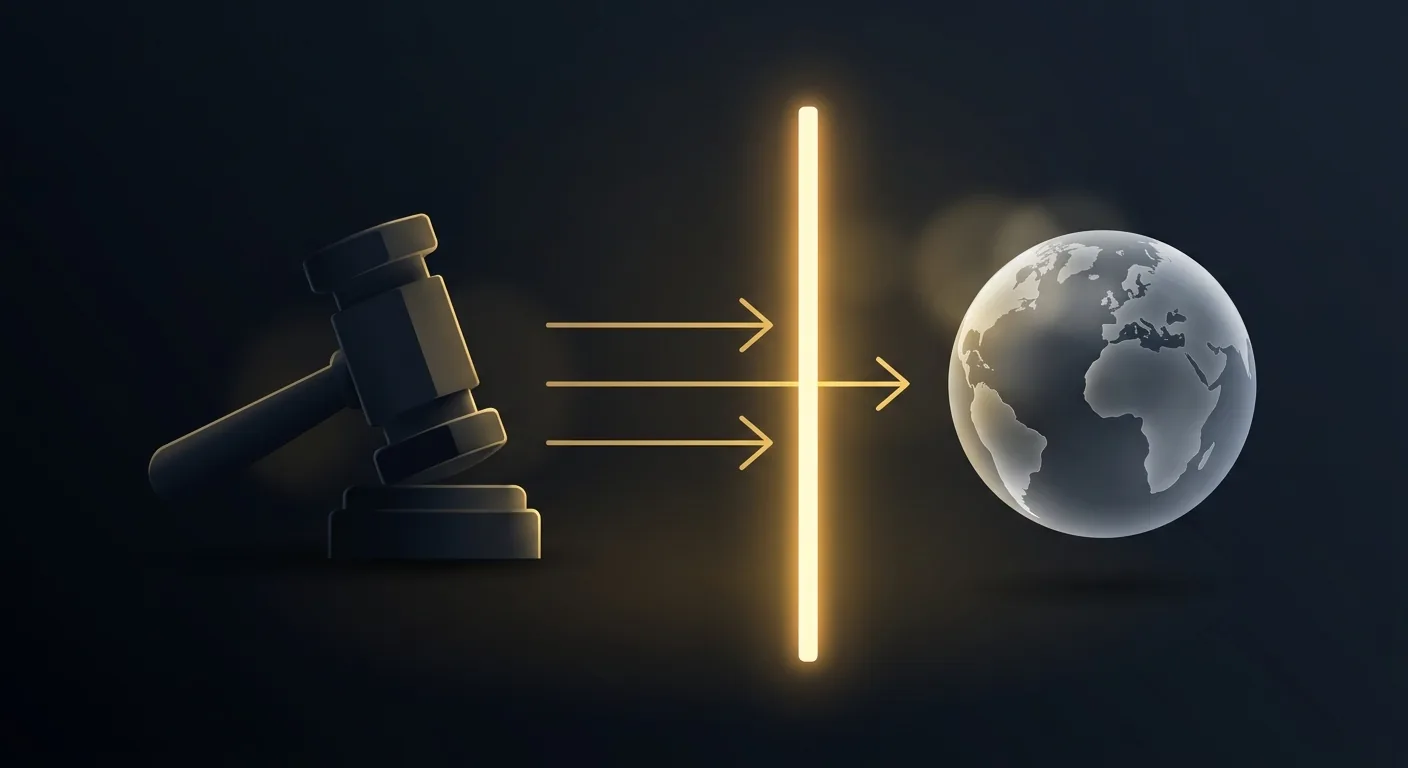
Why a foreign judgment is usually unenforceable
People often ask whether they can sue the scammer. The honest answer is that you can sometimes obtain a judgment and almost never collect on it, and the reasons are structural rather than legal technicalities.
- You need a real defendant. Most operations use identities that do not correspond to a person who can be served, and the account holder is frequently a recruited mule who has no money.
- You need the defendant in your jurisdiction. A court in your state generally cannot exercise jurisdiction over someone who has never been there, has no assets there, and did not target your state specifically.
- You need enforcement. A judgment is a piece of paper until a court where the defendant holds assets recognises it. Many countries will not enforce a foreign consumer judgment, and the cost of trying exceeds most losses.
- You need assets. Even a successful case against a mule usually produces an instalment plan against someone with no income.
There is one narrow exception worth knowing. If the receiving account is at a bank with a presence in your country, or if a domestic intermediary handled the payment, you may have a domestic defendant. That is a lawyer's question, and it is worth one consultation if the amount is large. The small claims guide covers the domestic version of this, which is a genuinely different situation.
When the money went abroad as crypto
Crypto changes the picture in one direction and not the other. It makes tracing easier and recovery harder, which is the opposite of what most people assume.
Tracing is easier because the ledger is public. Anyone can follow a transaction from your wallet to the next, and chain-analysis firms do this routinely. That is genuinely useful for a case, and it is why law enforcement sometimes succeeds against large operations. But tracing is not recovery. A confirmed on-chain transfer cannot be reversed by any bank, exchange or agency, and the only route to funds is a seizure by an authority that has identified and located a custodian.
- Record the addresses and transaction hashes now, before the app or exchange closes your access.
- Report the addresses to IC3. They are the piece of evidence that makes cross-border work possible at all.
- Notify any exchange that received the funds, if the trail reaches a known exchange deposit address. Exchanges do freeze accounts on law-enforcement request, and sometimes on a well-documented victim report.
- Do not pay a tracing firm that promises recovery. Tracing is a legitimate service; promising recovery is not. The recovery scam guide covers the difference.
The tracing guide walks through the mechanics, and the reporting guide covers what to include so that a report is usable rather than merely filed.
The second scam that targets this exact situation
Cross-border cases attract recovery fraud more than any other category, because the victim has already been told by everyone official that nothing can be done. That gap is the sales pitch.
| Claim | Why it is a tell |
|---|---|
| "We have contacts in the receiving bank / with Interpol / with the local police" | No legitimate firm has informal access to another country's law enforcement or to a bank's internal recovery process. |
| "We traced your funds to a wallet and can freeze it for a fee" | Freezing requires a legal order obtained by an authority, not a private firm's request. |
| "Pay the court filing fee and we will start" | Upfront fees for a recovery are the defining feature of the fraud, in every jurisdiction. |
| "We recovered $X for a client in your exact situation" | Testimonials are unverifiable and are the standard opening of the script. |
| "Do not tell your bank, they will close your account" | Isolating you from the only party who can actually help is the whole point. |
If you have already paid a recovery firm, treat it as a new incident and run the same first steps: bank, police, IC3, FTC. Do not let embarrassment delay the report; the second loss is usually larger than the first because the fee is calibrated to the amount you are trying to recover.
Setting an honest expectation
Most cross-border consumer fraud cases end without recovery. That is the base rate, and it is better to know it than to spend six months and a legal fee discovering it.
What you can realistically obtain is a documented record, a recall attempt that occasionally succeeds, a chargeback if a card was involved, and in some cases a bank that reverses a fee or a negative balance caused by the fraud. What you cannot obtain is a guarantee, and any page or firm that offers one is selling something else.
The practical value of doing the steps anyway is that they are the precondition for the small number of cases that do succeed, and they are what stops the second loss. The bank refund guide sets out what each rail will do, and the IC3 guide covers how to file a report that is actually usable.
Questions people ask about scammed by someone in another country
Can I get my money back if the scammer is in another country?
Sometimes, and the deciding factor is where the money is rather than where the scammer is. If the funds are still in a receiving account, your bank can request a recall from the receiving bank. If a card was used, a chargeback is available regardless of the merchant's location. If the money has been withdrawn or converted to crypto, recovery is very unlikely.
Should I report to the police in the scammer's country?
It is rarely useful and it should not be your first step. A foreign police report will not trigger a recall, and the delay costs you the window in which a recall could work. File domestically first: your bank, the FBI at ic3.gov, the FTC at ReportFraud.ftc.gov, and a local police report for the case number.
Can I sue someone in another country?
You can sometimes obtain a judgment and almost never collect on it. Courts generally cannot exercise jurisdiction over a defendant with no presence and no assets in your state, and many countries will not enforce a foreign consumer judgment. The narrow exception is when a domestic intermediary or a bank with a local presence handled the payment.
What is mutual legal assistance and can I use it?
It is a formal government-to-government process for obtaining evidence or freezing assets abroad. It is triggered by a prosecutor pursuing a case, not by a victim filing a complaint, and it is used for organised operations rather than individual consumer losses. You cannot initiate it yourself.
Does reporting to IC3 actually do anything?
It does not return your money and it will not produce an agent assigned to your case. It does feed the database that supports larger investigations and takedowns, and it produces the report number that banks, insurers and the CFPB ask for. It is a precondition for the small number of cases that do get pursued.
Someone contacted me saying they can recover my funds from overseas. Is it real?
Almost certainly not. No legitimate firm has informal access to another country's police or to a bank's internal recovery process, and freezing funds requires a legal order obtained by an authority. Upfront fees for recovery are the defining feature of recovery fraud, and cross-border cases are its favourite target.
Build the cross-border report in one pass
The report builder collects the receiving bank details, the transaction references and the agency list into a single document for your bank and for IC3.
Primary sources and further reading
- FBI IC3 — File a Complaint — ic3.gov
- FTC — ReportFraud.ftc.gov — reportfraud.ftc.gov
- CFPB — Submit a complaint — consumerfinance.gov
- US DOJ — Mutual legal assistance — justice.gov
- FTC Consumer Advice — How to avoid a scam — consumer.ftc.gov
Related guides
Information only. We never promise recovery.